Six houses worth reading closely
Six hotels where the building, its fittings or a collection held in the public rooms is the reason the house is listed here. Some are former private residences, some are city blocks reworked inside. Each entry says what is actually there and what changes with the season or with the programme.
01
Hotel Locarno
Rome, Italy
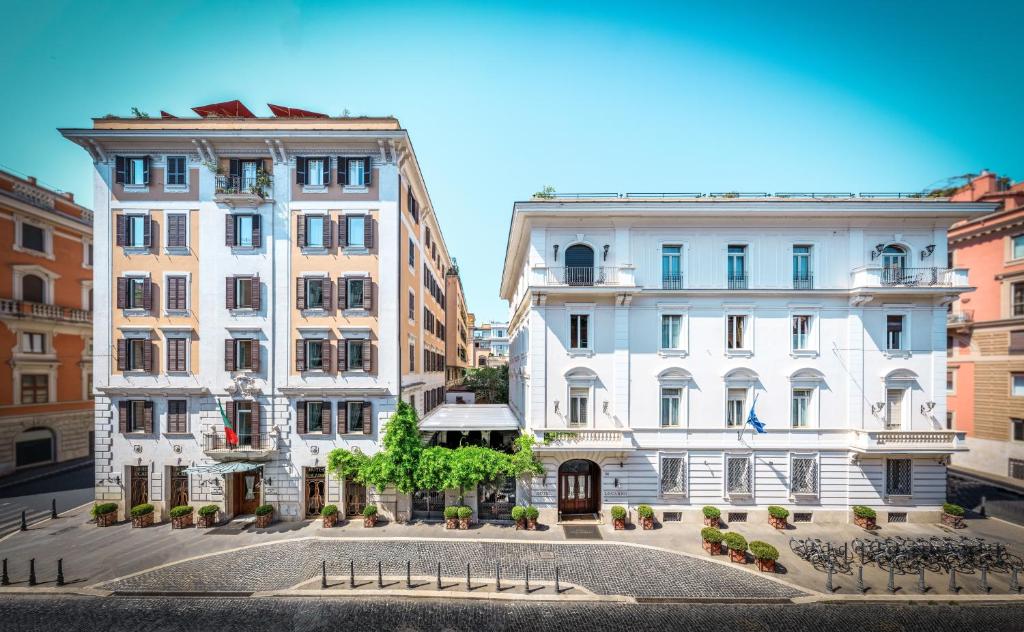
Hotel Locarno opened in 1925 on a short street behind Piazza del Popolo, at the northern end of the old centre of Rome. The building is an ordinary city block seen from outside, with the entrance on the corner. Inside, the ground floor rooms have kept furnishings and fittings in the manner of the period the house was built in.
A bar, a courtyard garden and a small sitting room open off the entrance hall, and the fittings there in glass, metalwork and upholstery are the hotel's own rather than a modern reconstruction. A roof terrace sits above the uppermost floor. Bicycles are kept by the door for guests, which is long-standing practice in the house.
Ask whether the courtyard and the roof terrace are open in the season you are travelling, since both depend on the weather. Guests who want a quiet room should also ask which side of the building faces the street, as the block sits close to a busy square.
- CategoryArt Hotels
- LocationRome, Italy
- CheckedJune 2031
02
Hotel Metropole
Venice, Italy
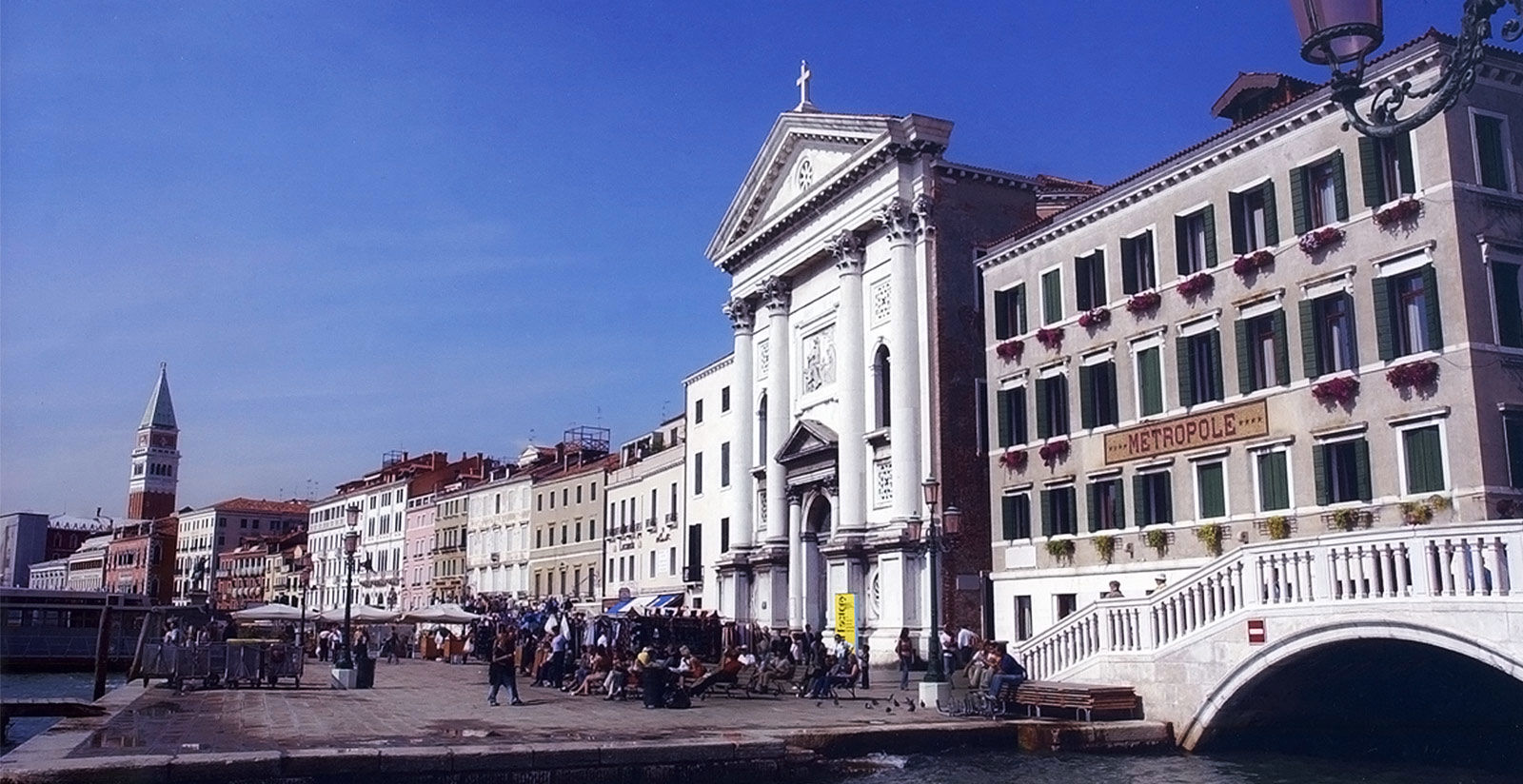
Hotel Metropole faces the lagoon on Riva degli Schiavoni, a short walk east of Piazza San Marco. The building has stood on that waterfront for a long time and has been held by the same family for several generations. Its public rooms hold a large private collection of objects gathered over that period, arranged through the house rather than kept aside.
The collection runs to fans, cigarette cases, small instruments and devotional pieces, set in cases and on the walls of the halls and corridors. There is a garden behind the building, a bar off the entrance hall and a restaurant. The water entrance opens onto the canal side and the land entrance onto the quay.
It is worth asking whether the garden and the restaurant are open during a stay, as both vary with the season. Anyone arriving with luggage should ask about the approach on foot, because the bridges along the quay have steps and the water entrance is not always in use.
- CategoryArt Hotels
- LocationVenice, Italy
- CheckedJune 2031
03
Hôtel Saint-Marc
Paris, France
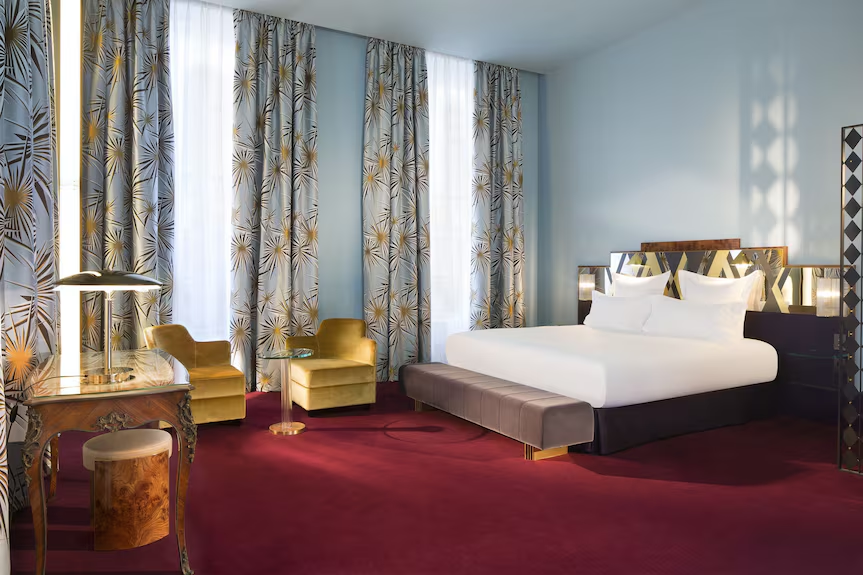
Hôtel Saint-Marc stands on a narrow street in the Grands Boulevards quarter of central Paris, in the second arrondissement. The building is a plain block of the Haussmann period, and the work that gives the hotel its character is inside: rooms and public spaces were drawn up as one scheme by a single designer rather than assembled over time.
The ground floor holds a bar and a sitting room with fittings made for the house, and there is a small pool below it. Colour and material carry through from one room to the next, which is unusual in a building of this size. Breakfast is served in a room off the entrance hall.
Ask about the hours of the pool and the bar, which are shorter than the reception desk's and change through the week. Guests sensitive to noise should also ask which rooms give onto the street, as the quarter around the hotel stays busy into the evening.
- CategoryArt Hotels
- LocationParis, France
- CheckedJune 2031
04
Hotel Wiesler
Graz, Austria
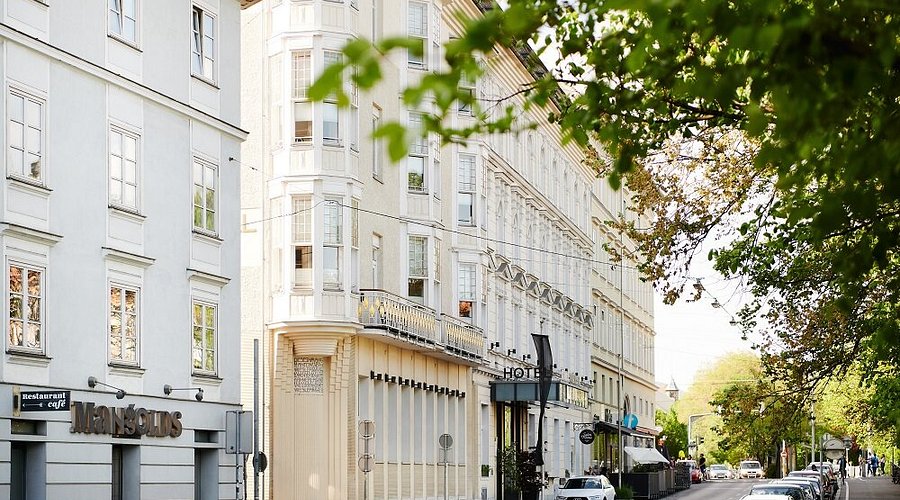
Hotel Wiesler stands on the bank of the Mur in Graz, opposite the old town and beside the bridge that crosses to it. The building dates from the turn of the twentieth century and keeps its facade and its stair from that time. Its ground floor has been given over to work by living artists, and what hangs there changes rather than staying fixed.
The entrance hall, the bar and the salon carry that work, and the hotel uses those rooms for readings and other events as well as for guests. A tiled hall survives from the original building. The restaurant on the ground floor opens onto the street, and the river path runs directly outside the door.
Write ahead if you want to see what is currently hung, since the ground floor rooms are used for events and are not always open to walk through. It is also worth asking which rooms face the river, as the outlook differs across the front of the building.
- CategoryArt Hotels
- LocationGraz, Austria
- CheckedJune 2031
05
Casa Palopó
Santa Catarina Palopó, Guatemala
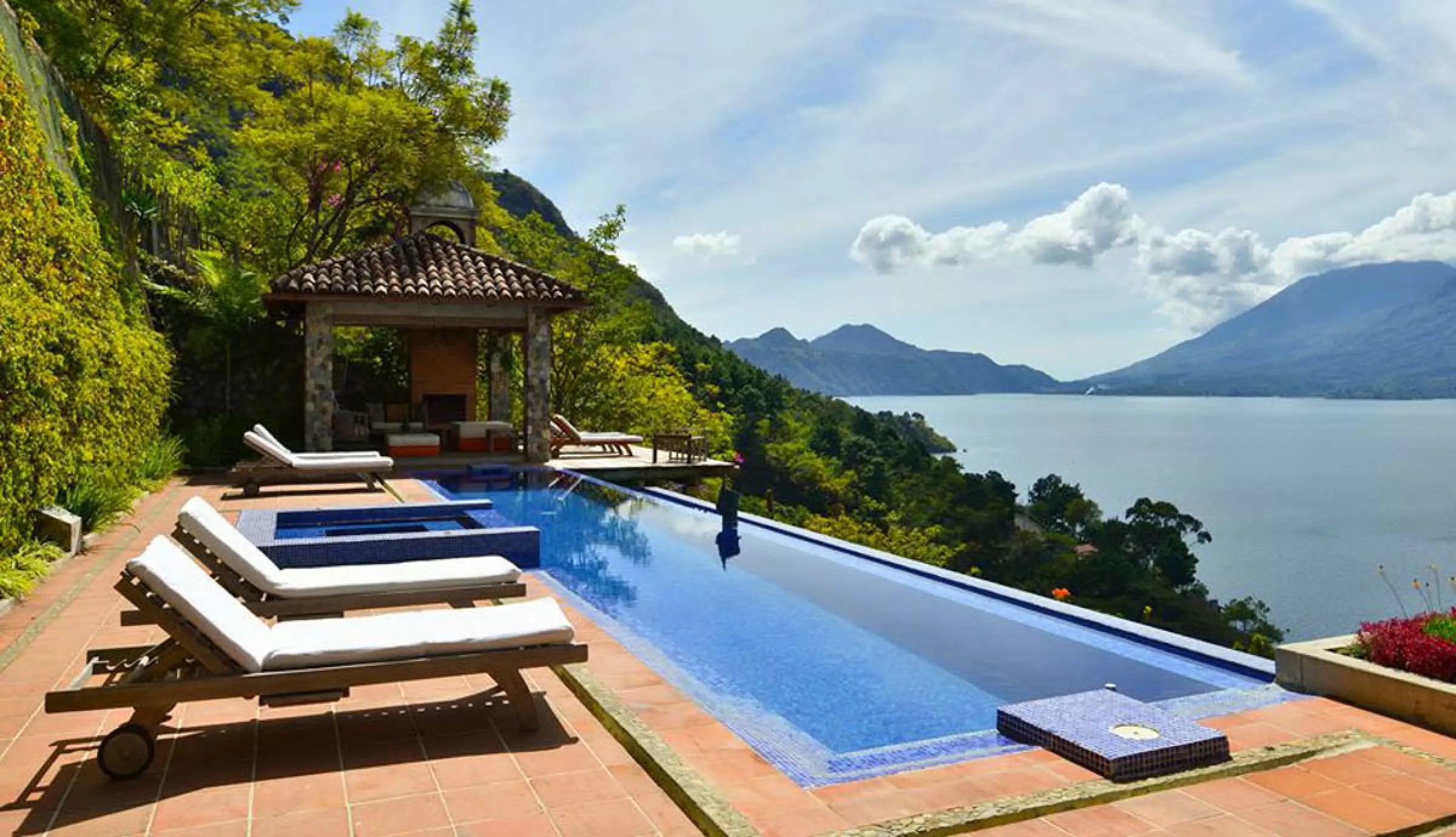
Casa Palopó sits on the slope above Lake Atitlán, on the road between Panajachel and Santa Catarina Palopó in the Guatemalan highlands. It is a small hotel in two buildings, set on terraces cut into the hillside with the water below and volcanoes across it. The house holds work by makers from the region, hung and placed through the rooms.
Textiles, painted furniture and ceramics from the villages around the lake are used in the public rooms rather than shown apart from them. There is a terrace restaurant, a pool on the lower terrace and a sitting room off the entrance. Steps join the terraces, and the ground falls steeply between one and the next.
Ask about the steps and the distance between the two buildings before booking, because the site is steep and the terraces are joined on foot. It is also worth asking how the hotel is reached from the lake shore and which road or boat approach is in use.
- CategoryArt Hotels
- LocationSanta Catarina Palopó, Guatemala
- CheckedJune 2031
06
Hotel Bela Vista
Portimão, Portugal
Hotel Bela Vista stands above the beach at Praia da Rocha, in Portimão on the Algarve coast. The house was built in 1918 as a private residence and became a hotel later, keeping the plan and much of the fabric of the original building. A modern wing was added beside it, so the old house now forms one part of a larger hotel.
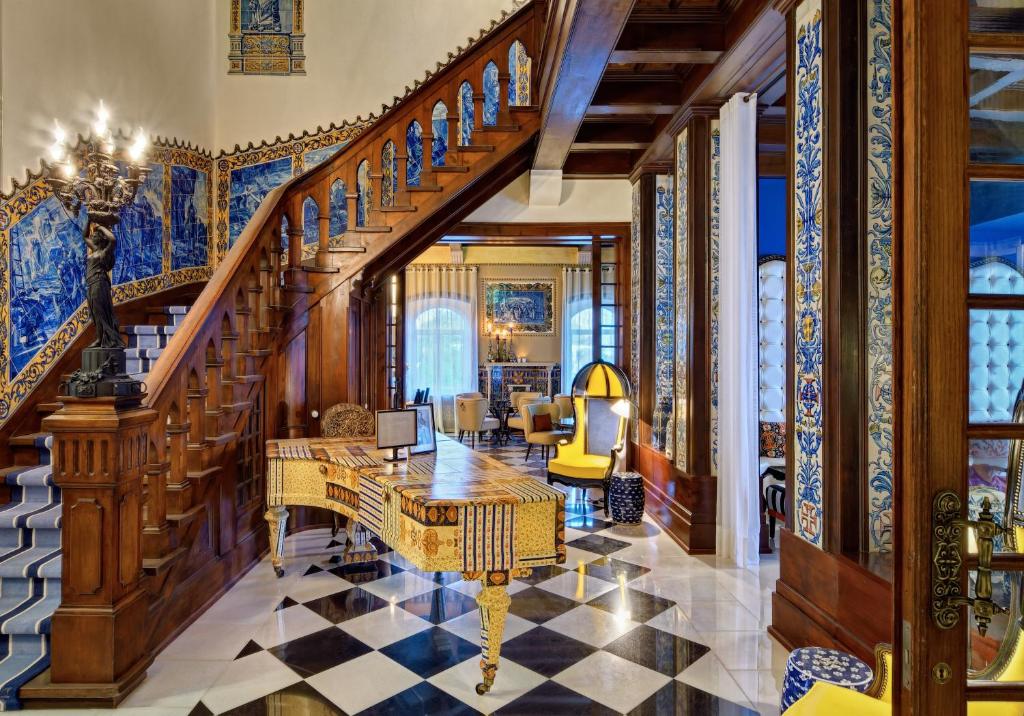
The stair hall, the salon and the chapel of the old house keep their painted tile panels and carved woodwork, and those rooms are still in use rather than closed off. A terrace looks along the cliffs to the sea. The newer wing holds a spa and further rooms and meets the old house at street height.
Ask which wing a room sits in, since the old house and the new building differ in plan and in outlook. Anyone wanting to see the tiled rooms should check whether they are in use for a private event that day, which happens through the year.
- CategoryArt Hotels
- LocationPortimão, Portugal
- CheckedJune 2031
This is an independent reference. Everything written here comes from open sources and from the hotels' own published material, and both can change without notice. Where a collection or a set of rooms is mentioned, it may be moved or closed for private events. The site is not connected to any hotel and takes no bookings.